Perceive the World
Connect visual and multimodal observations to concepts that generalize across the open world.
Multimodal Perception →
Physical AI: from perception and spatial understanding to action in the real world.
We aim to advance physical AI that can perceive, reason about, and act in the real world. Our research connects multimodal perception, spatial intelligence, and embodied learning to turn observations into meaningful action. By learning from visual experience, simulation, and real-world interaction, we aim to build intelligent systems that adapt to unfamiliar environments and work alongside people.
Three connected directions in CILAB
Connect visual and multimodal observations to concepts that generalize across the open world.
Multimodal Perception →Build structured, persistent understanding of space, objects, and how the world changes.
Spatial Intelligence & World Models →Turn perception and understanding into adaptive action through interaction with the physical world.
Embodied Intelligence & Action →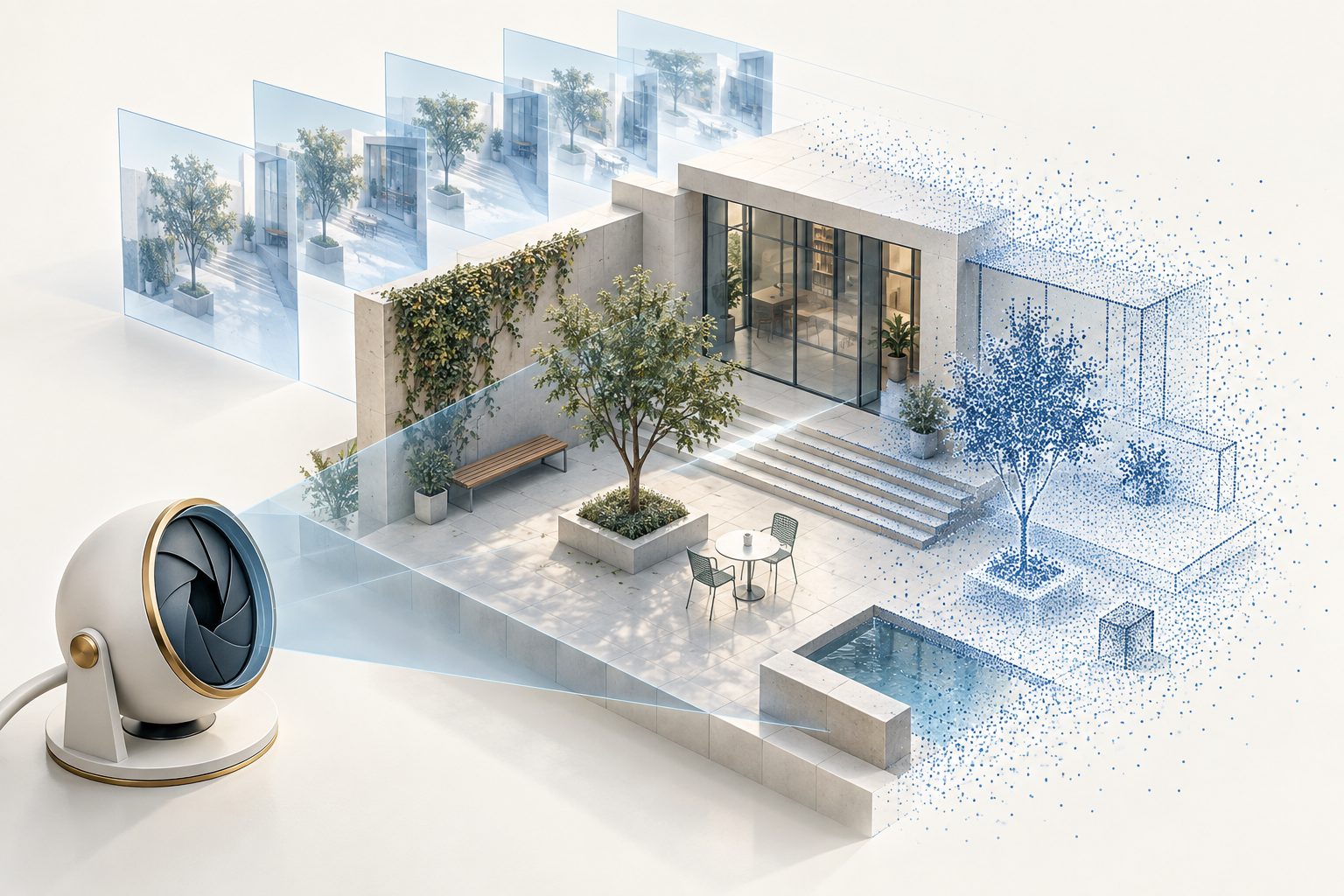
Multimodal Perception
Physical intelligence begins with sensing. We study how machines can learn meaningful representations from visual and multimodal experience, recognize what matters, and connect observations to language. Our goal is perception that remains useful across changing viewpoints, environments, and tasks.
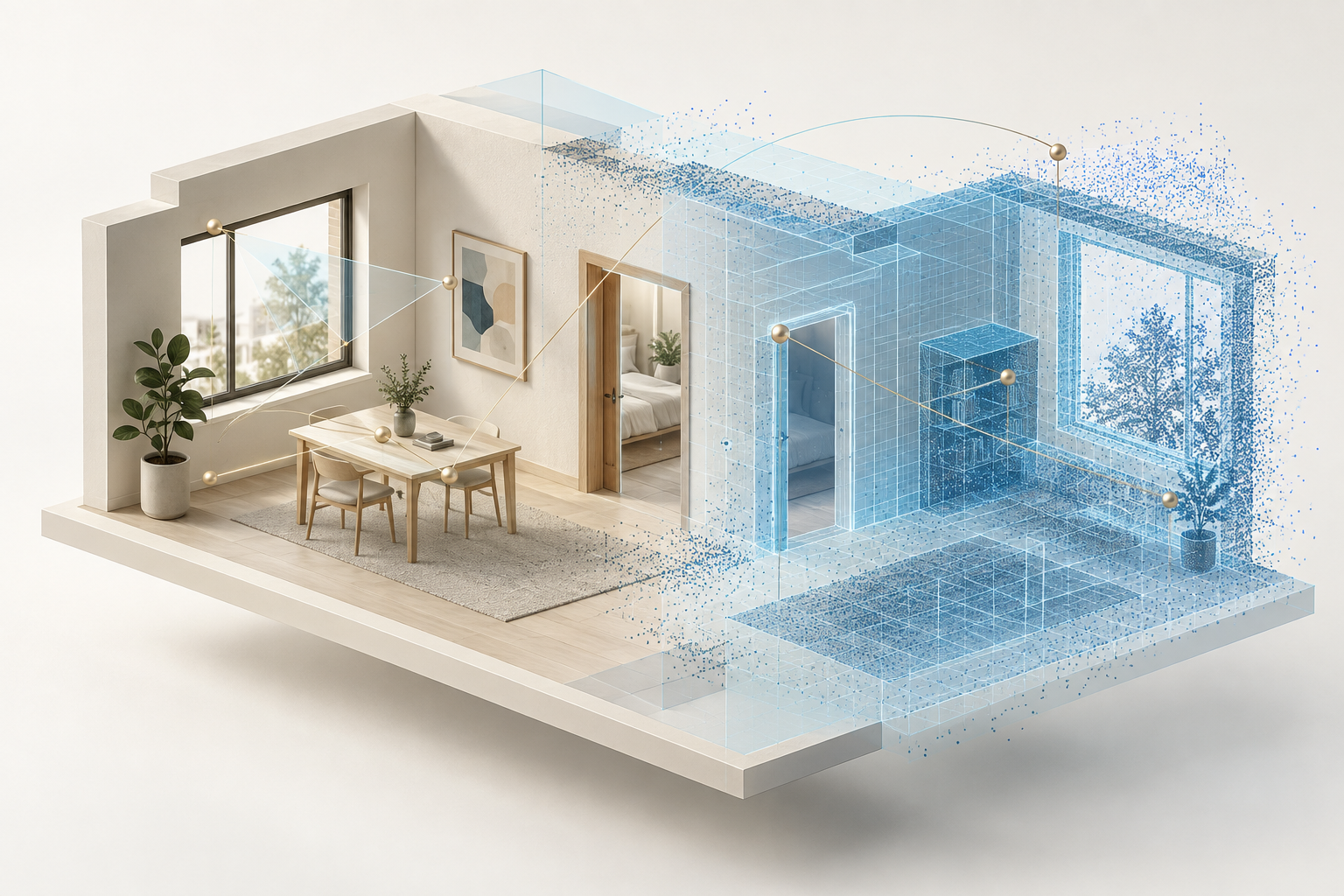
Spatial Intelligence & World Models
Useful perception must become an understanding of the surrounding world. We investigate representations that connect geometry, semantics, and dynamics, allowing an agent to locate itself, remember its surroundings, and reason about possible changes. This direction connects 3D scene learning with spatial memory and predictive world models.
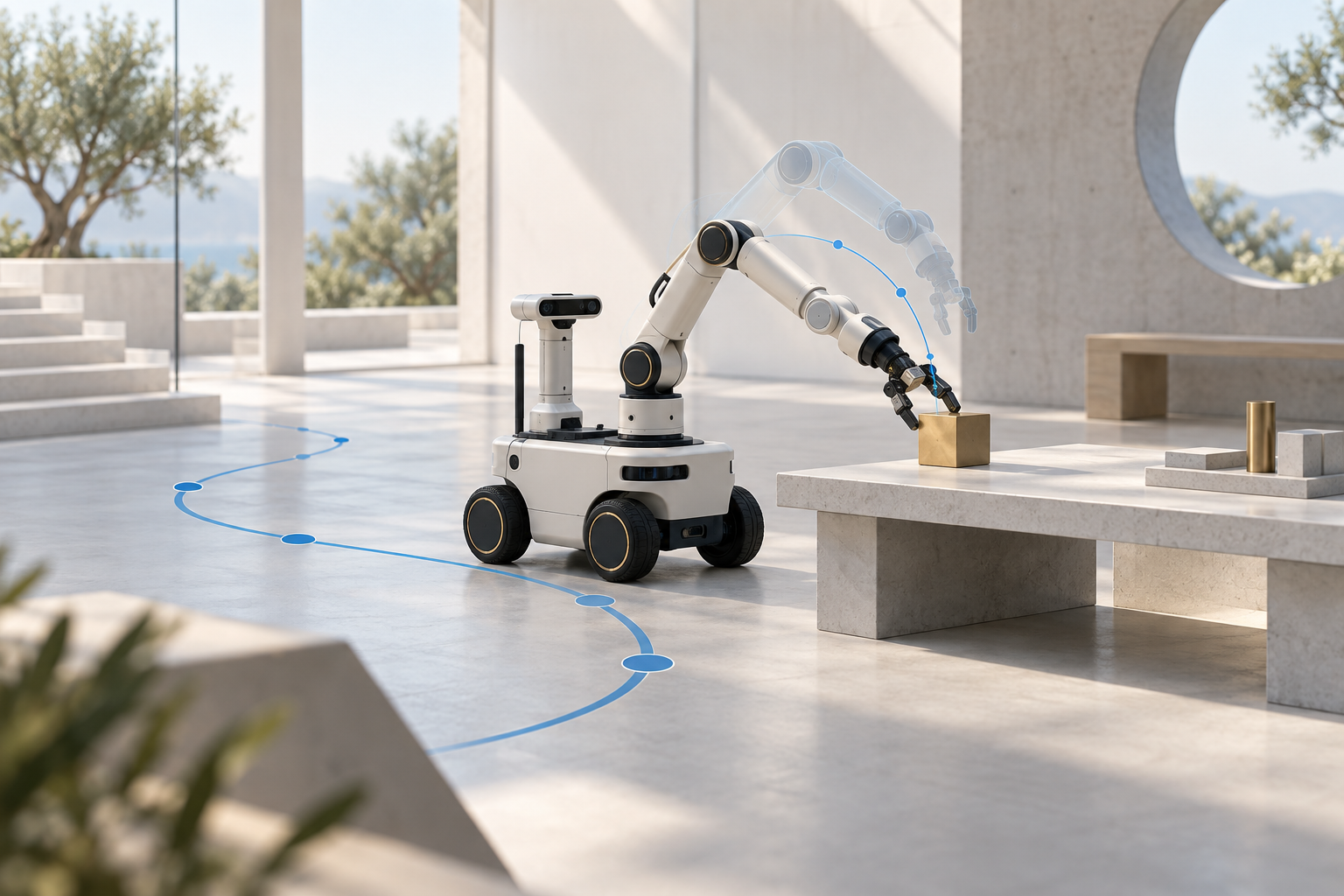
Embodied Intelligence & Action
We aim to close the loop between seeing, understanding, and doing. Our research explores agents that connect human intent to action and learn from videos, simulation, and physical interaction. We work toward adaptable robot intelligence that can navigate, interact, and improve through experience in real environments.
Discover the methods, findings, and collaborations behind our research.